How to Read a Ceiling Crack
Most homeowners notice a ceiling crack and immediately wonder whether it signals something serious. The honest answer is that most cracks are cosmetic, but some do point to problems that will get worse if left alone. Knowing the difference saves you from unnecessary worry and from ignoring something that genuinely needs attention.
The key factors are the crack’s width, direction, location and whether it has changed over time.
Hairline Cracks
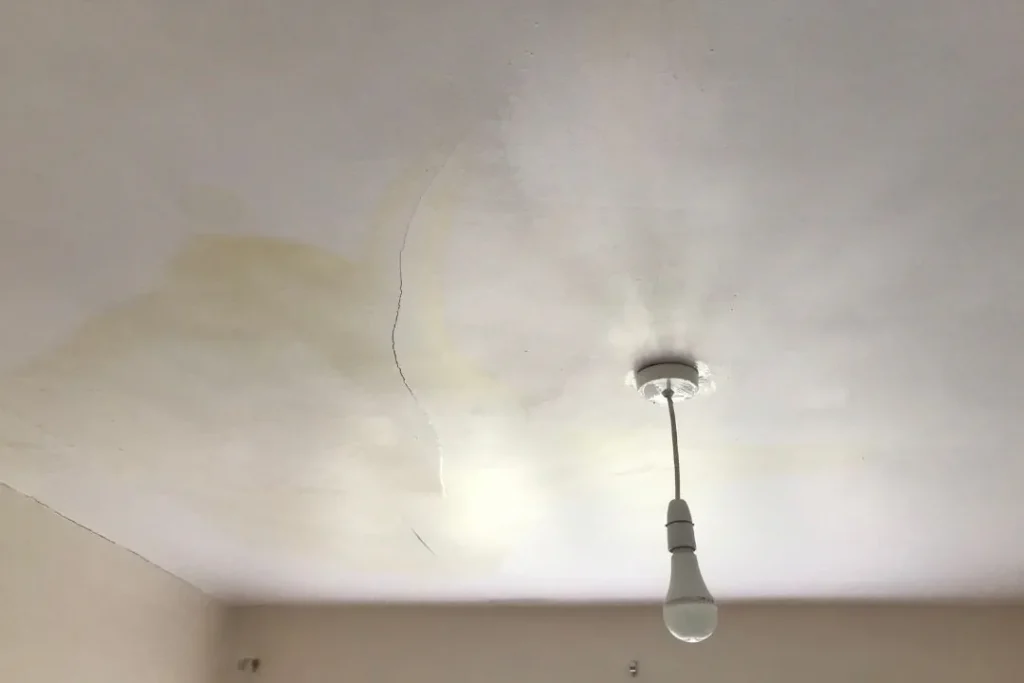
Hairline cracks are the most common type and almost always cosmetic. They are typically less than 1mm wide, run in a fairly straight line and appear in plasterboard joints or along cornice edges.
These usually develop as a building settles or as seasonal temperature changes cause the framing to expand and contract slightly. In Toowoomba’s climate, where the underlying clay soils shift with wet and dry cycles, a hairline crack appearing after a dry summer or a wet season is not unusual.
Filling and repainting is generally all that is needed. The crack may return if the movement continues, but that does not make it structurally significant on its own.
Cracks at Cornice Joins and Ceiling Edges
A gap or crack where the cornice meets the ceiling or wall is one of the most common calls plasterers receive. These cracks form because cornice is fixed to two separate surfaces that can move independently.
In most cases this is a straightforward repair. The old filler is raked out, the join is re-bedded and finished properly so it does not crack again in the same spot within a few months. A quick patch with gap filler rarely holds long-term in this location.
Cracks That Run Across the Full Width of a Ceiling
A crack that runs in a straight line across the full width of a ceiling is often sitting directly over a plasterboard join. These are common in older homes where the join tape has dried out or was never finished correctly.
On their own, these cracks are usually cosmetic. The fix involves cutting back the old tape, re-taping the join and feathering the compound out so the repair blends with the surrounding surface.
Cracks That Should Prompt a Closer Look
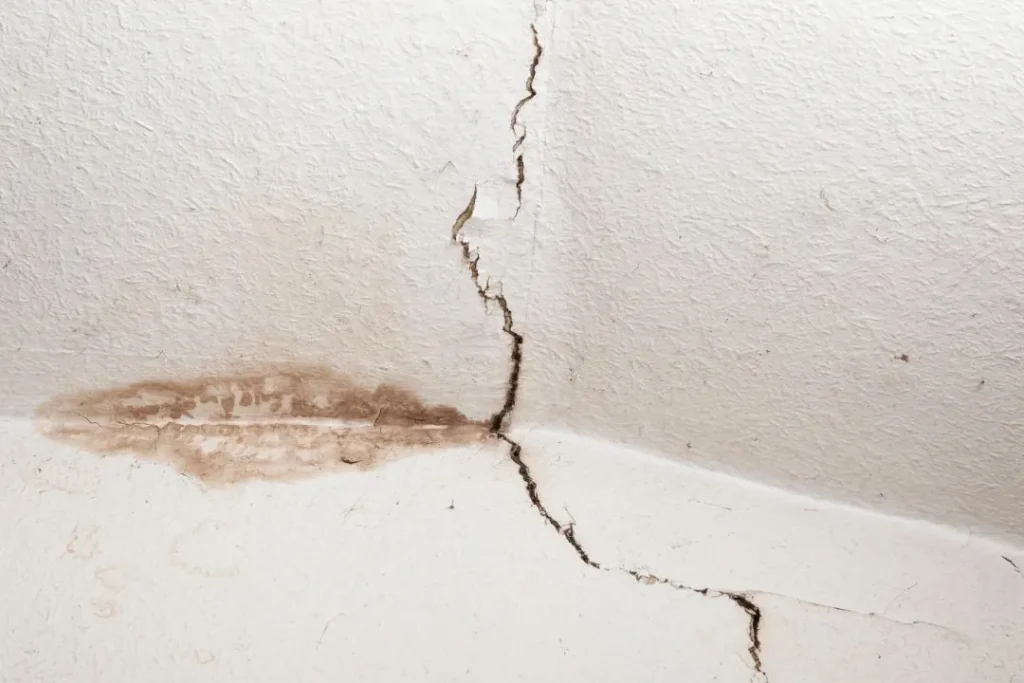
Some cracks are worth taking seriously, particularly if they appear alongside other signs of movement or damage.
Wide or Growing Cracks
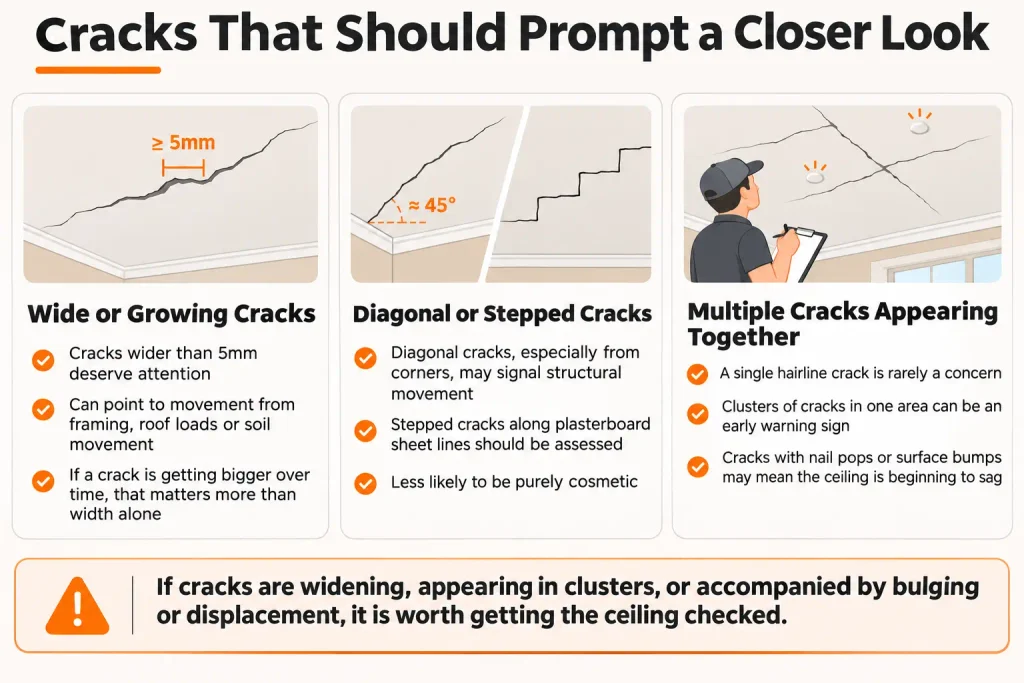
Any crack wider than 5mm deserves attention. Cracks in this range can indicate movement in the structure above, whether from framing issues, roof loads or soil movement beneath the slab. Queensland’s building standards treat cracks under 5mm that are easily filled as expected damage, while anything wider or accompanied by bulging or displacement signals a more significant problem.
If you have measured a crack and it has grown since you first noticed it, that change in size matters more than the current width alone.
Diagonal or Stepped Cracks
Diagonal cracks, particularly those that run at 45 degrees from a corner, often follow differential movement in the structure. These are less likely to be purely cosmetic and more likely to reflect movement in the framing or the substrate below.
Stepped cracks that follow the lines of plasterboard sheets in a staircase pattern can indicate the same thing. These are worth having assessed rather than simply filled.
Multiple Cracks Appearing Together
A single hairline crack is rarely a concern. A cluster of cracks appearing across the same area of ceiling, especially if they are accompanied by nail pops or small circular bumps in the surface, can be an early sign that the ceiling is beginning to sag. A ceiling that is starting to pull away from its fixings often shows this pattern before any visible droop appears.
Cracks in Newer Homes
Newer homes are not immune to ceiling cracks. In suburbs like Kearneys Spring and Highfields, where a large proportion of homes have been built in the past 10 to 20 years, settling and clay soil movement often show up first as cracks along plasterboard joins or at cornice edges.
This is not necessarily a defect. New builds go through an initial settling period, and some cracking is a normal part of that process. The question is whether the cracking stops once the home has settled or whether it continues to develop.
What a Plasterer Actually Looks At
When assessing a ceiling crack, a plasterer looks at more than just the crack itself. The condition of the surrounding plaster, whether the ceiling sheet feels firm or has any flex, whether fixings are holding and whether there are signs of moisture all factor into the assessment.
A crack that looks minor from the floor can sometimes reveal more once someone is up close. Equally, a crack that looks alarming can turn out to be a straightforward repair once the cause is understood.
When to Repair and When to Monitor
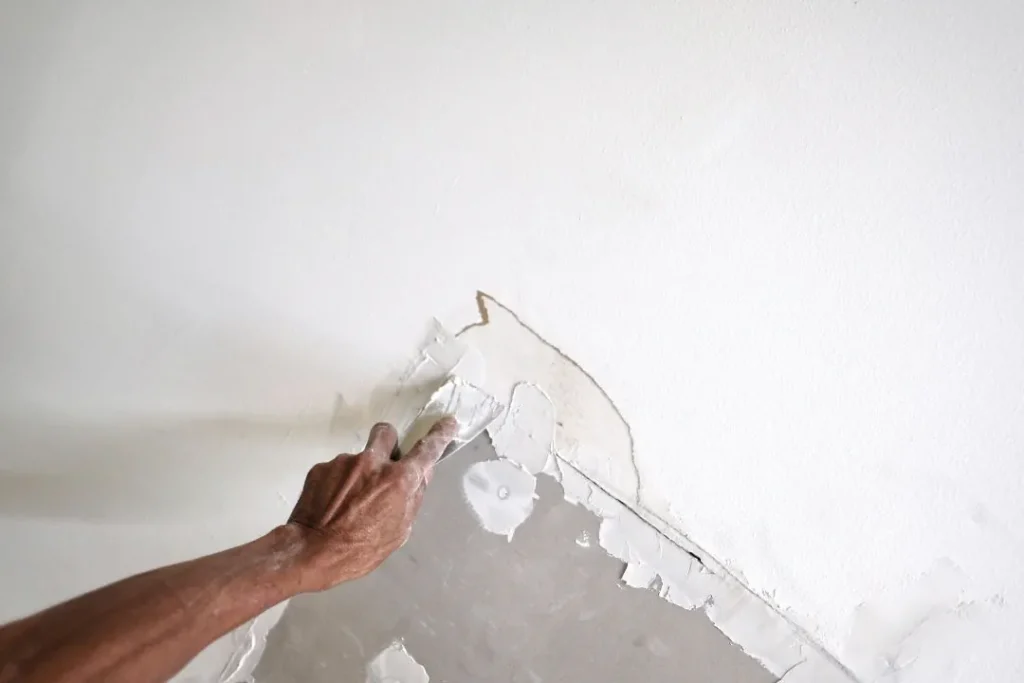
Hairline cracks that have not changed in size can often be monitored for a season before repairing, particularly if they appeared after an unusually dry or wet period. Marking the ends of the crack with a pencil and dating it gives you a simple way to track whether it is growing.
Cracks that are wide, growing, diagonal or appearing in clusters should be assessed sooner rather than later. Leaving them does not make the repair cheaper, and in some cases it allows a manageable problem to become a larger one.
For straightforward cosmetic cracks, professional ceiling crack repairs produce a finish that holds and blends with the surrounding surface in a way that DIY patching often does not.
Get a Straight Answer on Your Ceiling Crack
For homeowners in Kearneys Spring, Highfields and across Toowoomba, we can tell you whether a ceiling crack is cosmetic and repair it so it stays hidden. As Toowoomba plasterers that work across the region, we can assess your ceiling without the guesswork and provide plastering solutions where needed.
Call (07) 3060 8553 or get in touch online to arrange your free inspection and quote.